Flat & low-slope roofing
Flat roof leaking? Find it, fix it, and keep it dry.
Clear guidance on TPO, EPDM, modified bitumen and built-up roofs, with honest repair-vs-replace advice and price ranges you can plan around.
- Membrane identified before anything is patched
- Repair-first advice when the roof has life left
- Cost ranges with cited sources, not guesswork
Get a fast ballpark
Three questions. Opens the full estimator with your answers.
Repair by roof type
Every flat roof system, repaired the right way
TPO and EPDM can't be patched with each other's materials, and a torch has no place near some roofs. The first job is always to identify what you have.
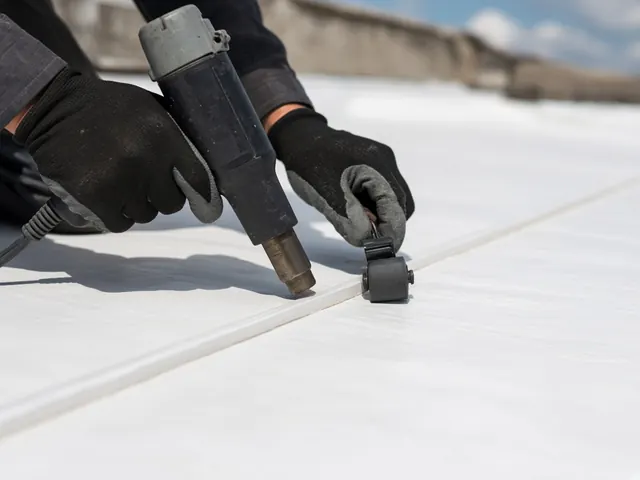
TPO roof repair
Hot-air welded patches and seams, probe-tested for a continuous bond.
Learn more →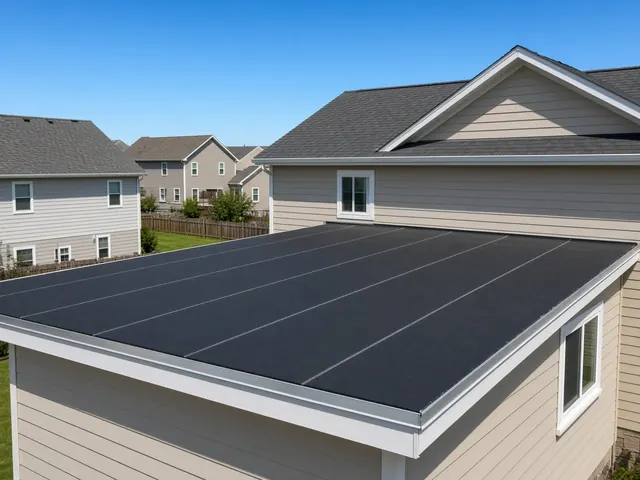
EPDM rubber roof repair
Primed, taped cover patches and splice repairs for black rubber roofs.
Learn more →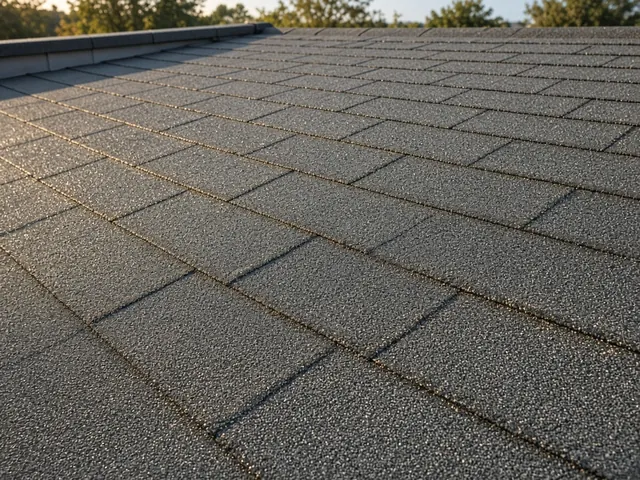
Modified bitumen repair
Blisters, split seams and worn granules on torch-down and self-adhered roofs.
Learn more →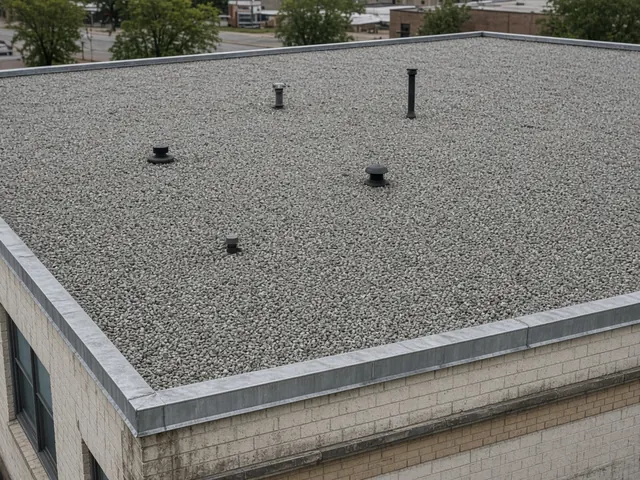
Built-up & tar-and-gravel
Spot repairs, flood-coat renewals and gravel management on BUR roofs.
Learn more →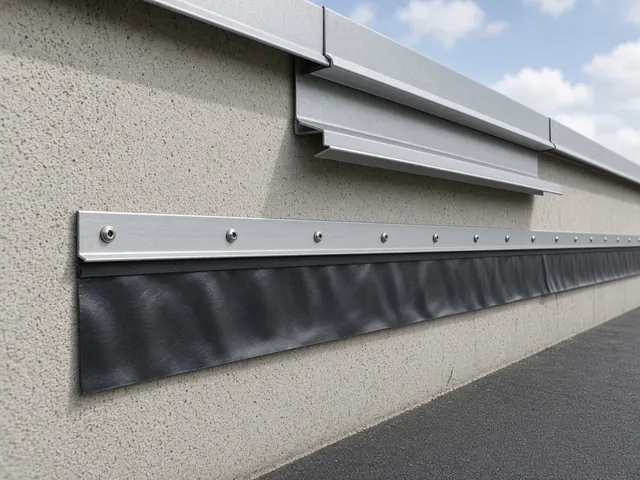
Flashing & penetrations
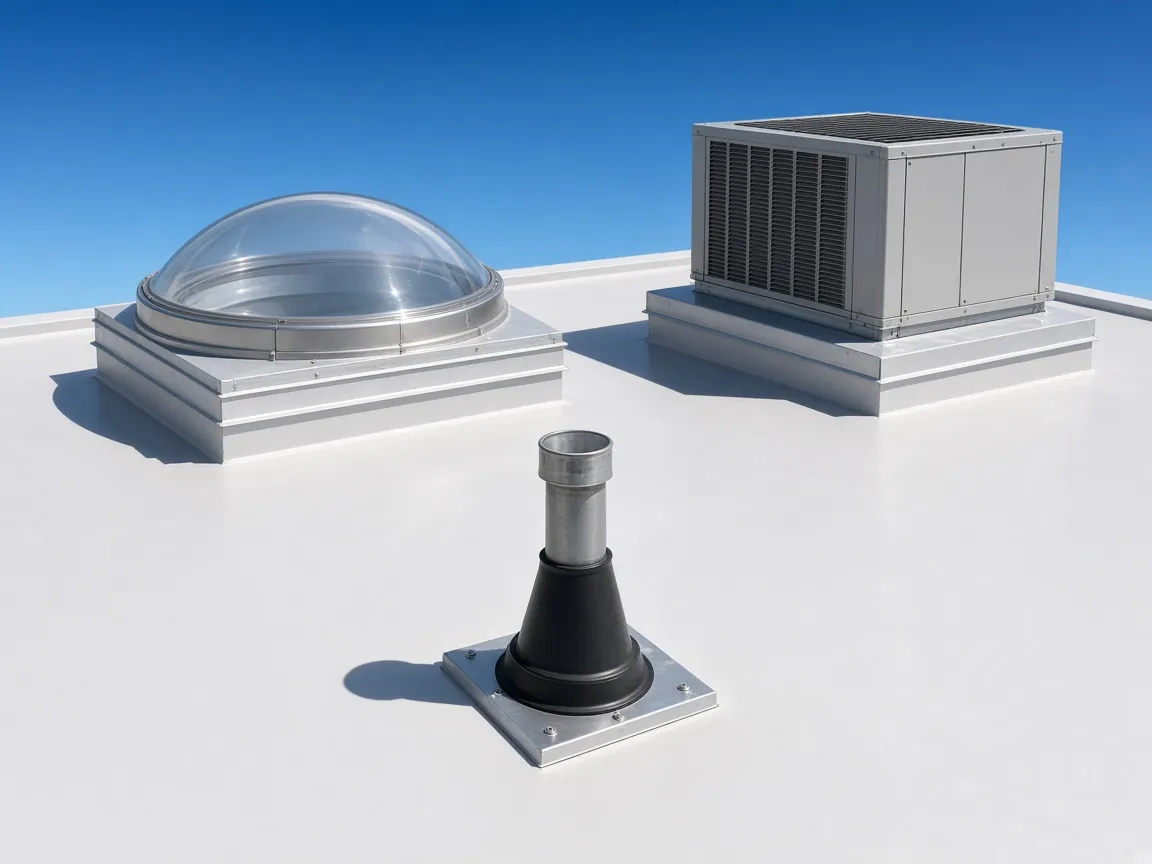
Parapets, curbs, pipe boots and drains, where most leaks really start.
Learn more →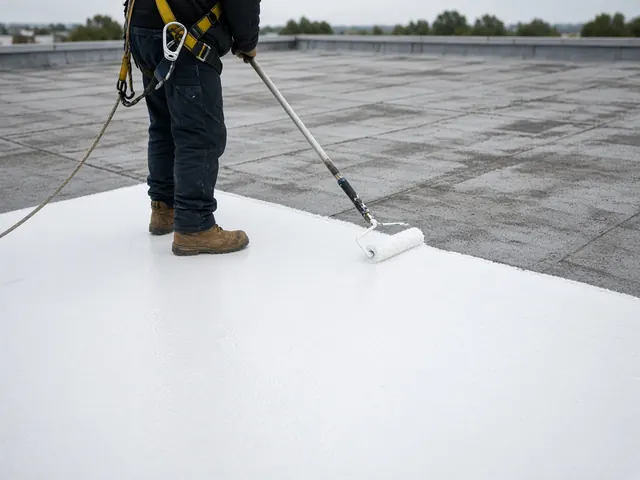
Roof coatings & restoration
Silicone and acrylic systems that can add years to a sound roof.
Learn more →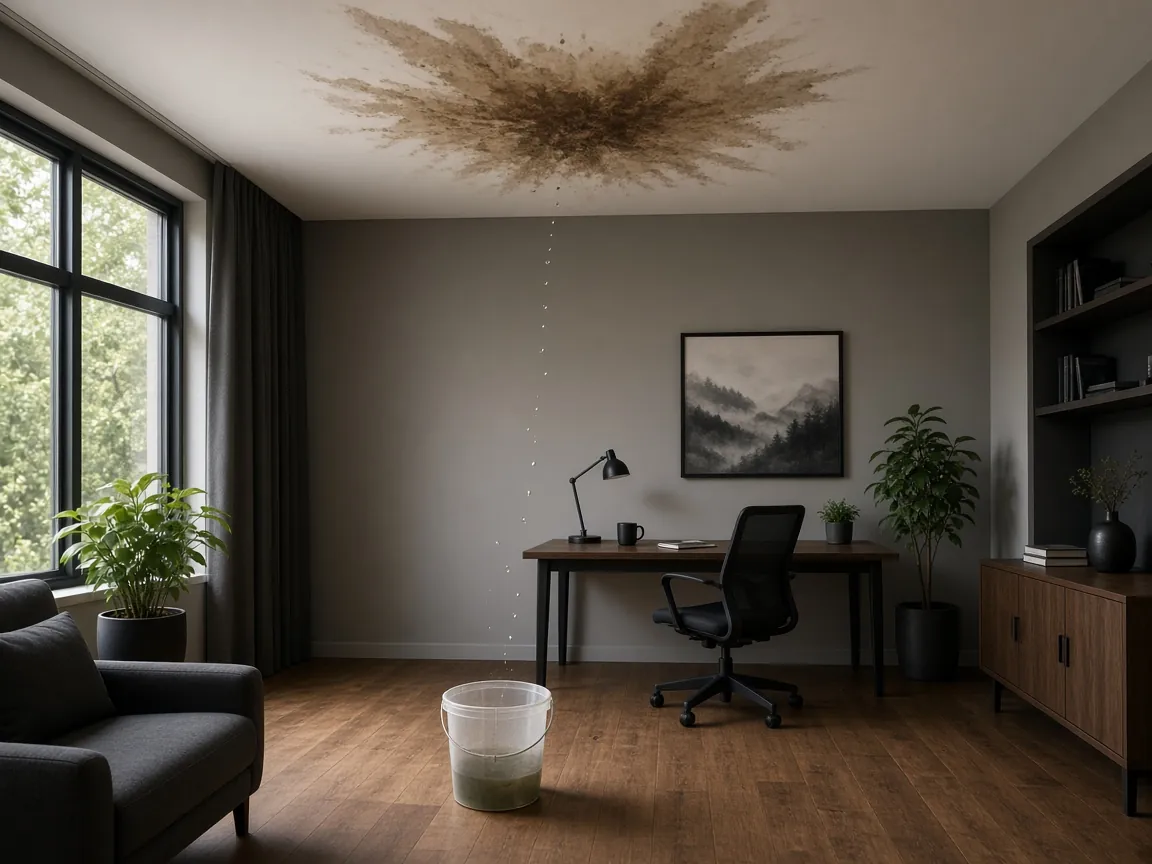
Leaking right now?
What to do in the next hour
- Protect people and power. Keep clear of wet ceilings that sag, and switch off circuits feeding wet fixtures if you can do so safely.
- Catch and record. Buckets, towels, photos of the stain and the time it started. Water travels, so the drip is rarely under the hole.
- Stay off the roof in bad weather. Wet membranes are slippery and edges are unprotected. A temporary fix can wait for a safe window.
- Book a leak trace. A good roofer finds the entry point before patching, then quotes the proper repair.
Know the numbers
Typical US price ranges
National planning ranges from published 2026 cost guides. Your roof's size, access, membrane and insulation condition decide the real number.
How it works
From first drip to a dry, documented roof
The same disciplined process the best commercial roofers use, made simple for homeowners and small property owners.
- Tell us what you seeStains, drips, ponding, blisters or storm damage. Photos help.
- Assessment & leak traceMembrane identified, seams probed, flashings and drains checked, moisture tested where needed.
- Written optionsPatch, repair, restore or replace, each with a scope, price and expected life.
- Repair & recordWork done to the manufacturer's method, with before-and-after photos for your files.
Decide with confidence
Repair, restore or replace?
Repair
Isolated punctures, a failed seam or a flashing detail on a roof that is otherwise sound and dry underneath.
Restore
An aging but mostly dry roof can often take a reinforced coating system, extending its life for far less than a tear-off.
Replace
Widespread wet insulation, deck damage, repeated failures or a roof well past its service life.
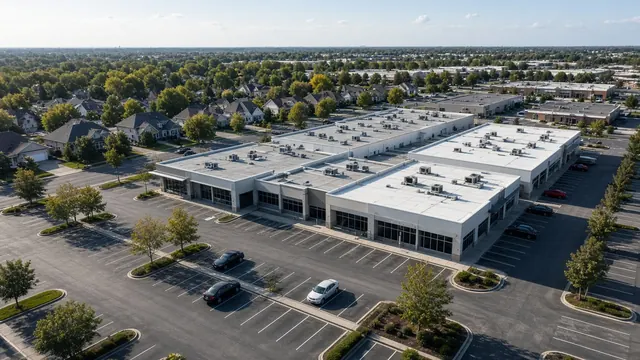
Where flat roofs live
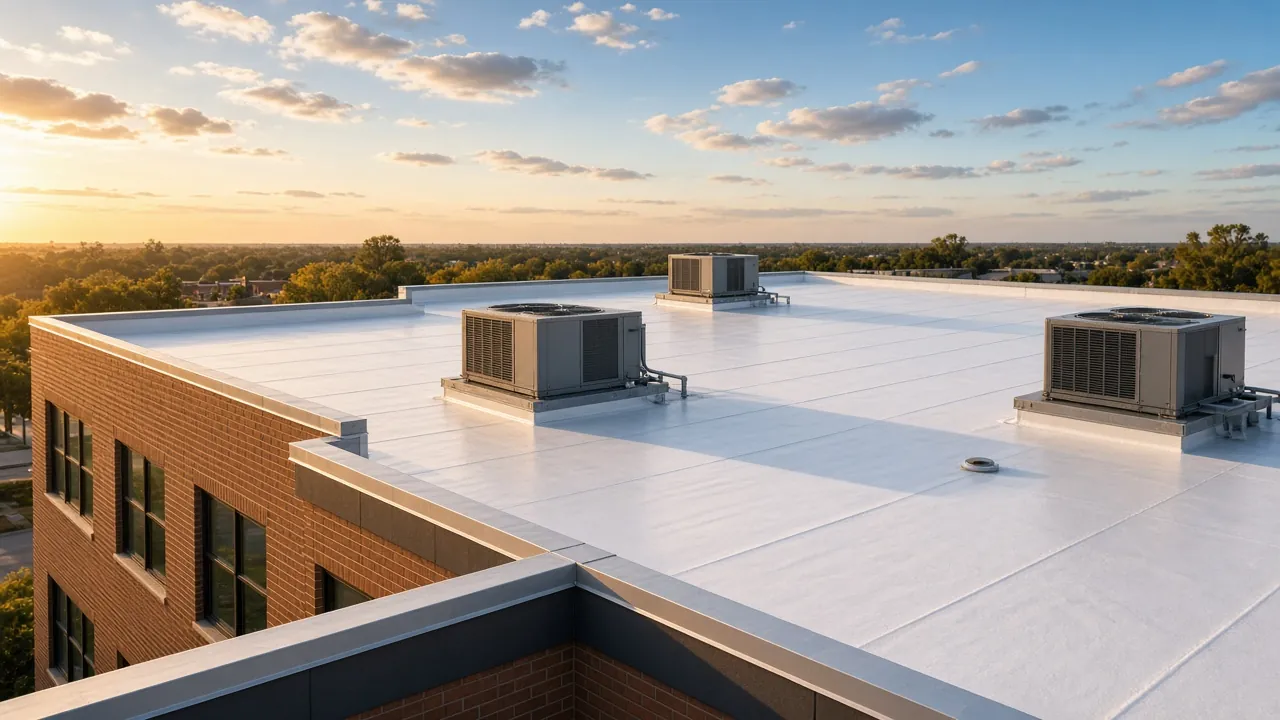
Homes, garages and commercial buildings

Guides
Popular flat roof guides
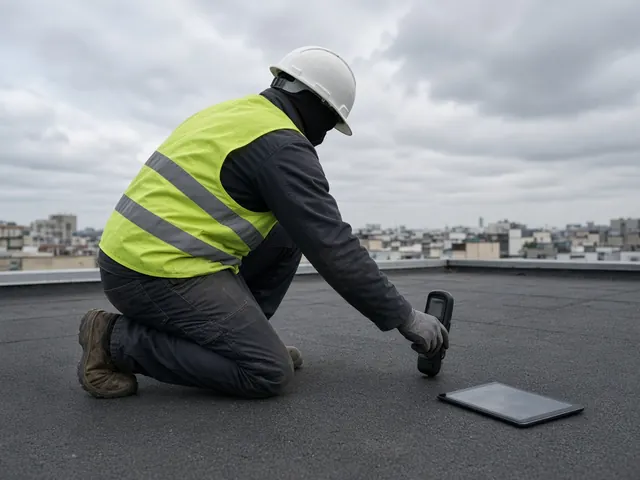
How to find a flat roof leak
Why the drip is rarely under the hole, and how pros trace water.
Learn more →TPO vs. EPDM
Cost, lifespan, repairs and climate fit compared honestly.
Learn more →How long does a flat roof last?
Typical service life by membrane and what shortens it.
Learn more →Safety
Flat doesn't mean safe
Low-slope roofs feel easy to walk on, but unprotected edges, skylights and wet membranes cause serious falls every year. Federal OSHA rules require fall protection for workers on low-slope roofs six feet or more above a lower level.